This message examines how followers of Jesus handle conflict with wisdom and mercy. Dr. Joshua teaches from Matthew 7 on reciprocal judgment, calls us to self-examination that produces empathy, and walks through biblical steps for judging with righteousness in community. The sermon applies Scripture to real life tensions in our culture and church, shows how appearances and feelings can distort judgment, and equips us to handle or report conflict with integrity.
This message is about “BEEF” — how believers handle conflict through unlimited forgiveness, unity in Christ, and practical tools that treat the roots rather than the surface.
In this opening to BEEF, Dr. Smith teaches Jesus’ call to forgive without limits and to live as peacemakers. Paul’s correction to Corinth exposes factions as spiritual immaturity. James 4 locates quarrels in desires at war within. Luke 10 invites us to choose the good portion. The message closes with simple tools — Name the Feeling, Reaction, Desire and the Care Cycle: Aware, Accept, Allow, Attend, and Act — so we resolve conflict in healthy ways and nurture unity.
“I Prayed About It (But What Does That Mean?)” Pt 4
Date Preached: August 24, 2025
Speaker: Dr. Joshua Smith
This week, Dr. Joshua Smith continued the series “I Prayed About It (But What Does That Mean?)” with a focus on the practice of prayer. Building on lessons from Peter’s encounter with Jesus in Luke 5, the message revealed that prayer is more than requests—it is obedience, transformation, and intimacy with God.
“I Prayed About It (But What Does That Mean?)” Pt 3
Date Preached: August 17, 2025
Speaker: Dr. Joshua Smith
This message continues our series on prayer, reminding us that prayer is not only about words but also about heart posture. Drawing from Mark 11, Matthew 6, James 4, and Psalm 139, Dr. Joshua Smith teaches how forgiveness, humility, and trust shape the way we approach God. Prayer requires sincerity, attentiveness, and persistence, but most importantly it requires a clean heart.
“I Prayed About It (But What Does That Mean?)” Pt 2
Date Preached: August 10, 2025
Speaker: Dr. Joshua Smith
“I Prayed About It (But What Does That Mean?)” continues Dr. Joshua Smith’s teaching on prayer by focusing on the posture of the heart when approaching God. Drawing from Mark 11, Matthew 15, 1 Samuel 16, Hebrews 4, James 4, and Luke 12, this message confronts subtle but destructive attitudes that can block intimacy with the Lord—such as unforgiveness, indifference, timidity, false humility, passive-aggressiveness, and presumptuousness.
Dr. Smith explains how God examines not just our words or outward actions, but the hidden motives and conditions of the heart. Through Scripture and practical examples, he calls believers to pray sincerely, biblically, attentively, regularly, and persistently, while aligning heart posture with godly humility and trust.
Key themes include the danger of unforgiveness, the need for spiritual boldness, recognizing the silent pride of presumptuousness, and becoming “rich toward God.” The sermon closes with a call to invite God to search and cleanse the heart so that prayer flows from purity and alignment with His will.
“I Prayed About It (But What Does That Mean?)” Pt 1
Date Preached: August 3, 2025
Speaker: Dr. Joshua Smith
Learn how to pray like Jesus in I Prayed About It (But What Does That Mean?) – Part 1, where Dr. Joshua Smith opens a new series on prayer by examining the prayer life of Christ. Drawing from Luke 5, Luke 6, Mark 1, and Luke 11, the message reveals that prayer was not an occasional activity for Jesus but a consistent posture, even in seasons of great demand and success.
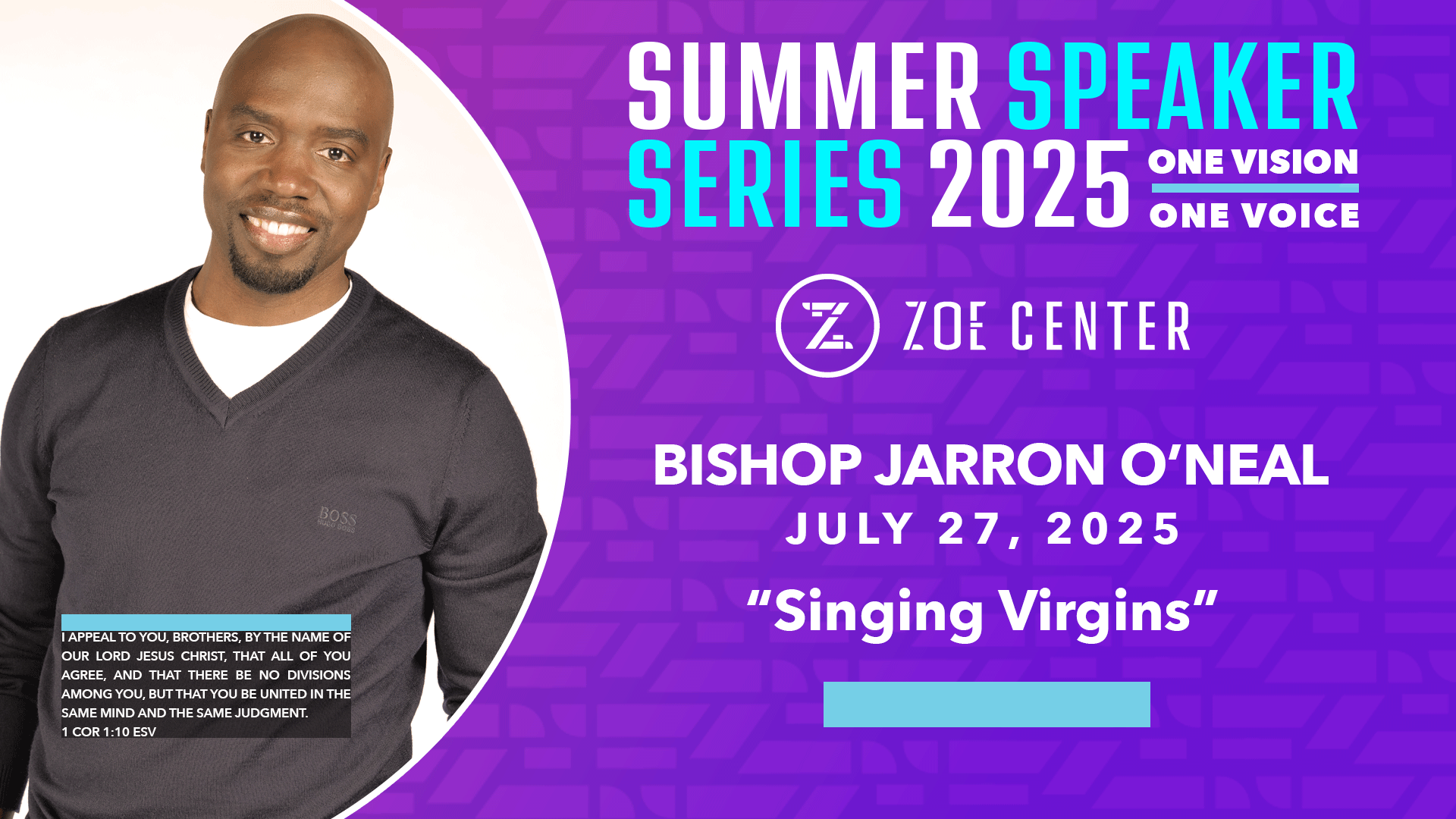
"Singing Virgins" emphasized the importance of unity within the Church, drawing from 1 Corinthians 1 where Paul confronts divisions and schisms among believers who were aligning themselves with different leaders. Unity, as highlighted in Psalms 133 and Ephesians 4:3, is essential for the flow of God’s anointing and blessing. The sermon warned of four “Enemies of Unity”: Saul’s armor (symbolizing outdated methods), old seasons (failing to recognize a new move of God), dissatisfaction with one's role in the body of Christ, and the influence of “singing virgins” — voices of praise that unintentionally stir jealousy and comparison, as seen in Saul and David’s story. Key points included the need for intentional unity, the danger of spiritual discontentment, and the caution that gifting without authorization can cause division. Ultimately, the call was to maintain a unified voice and vision, avoiding offense, comparison, and misplaced loyalty, and to protect the integrity of the Church from subtle disruptions.
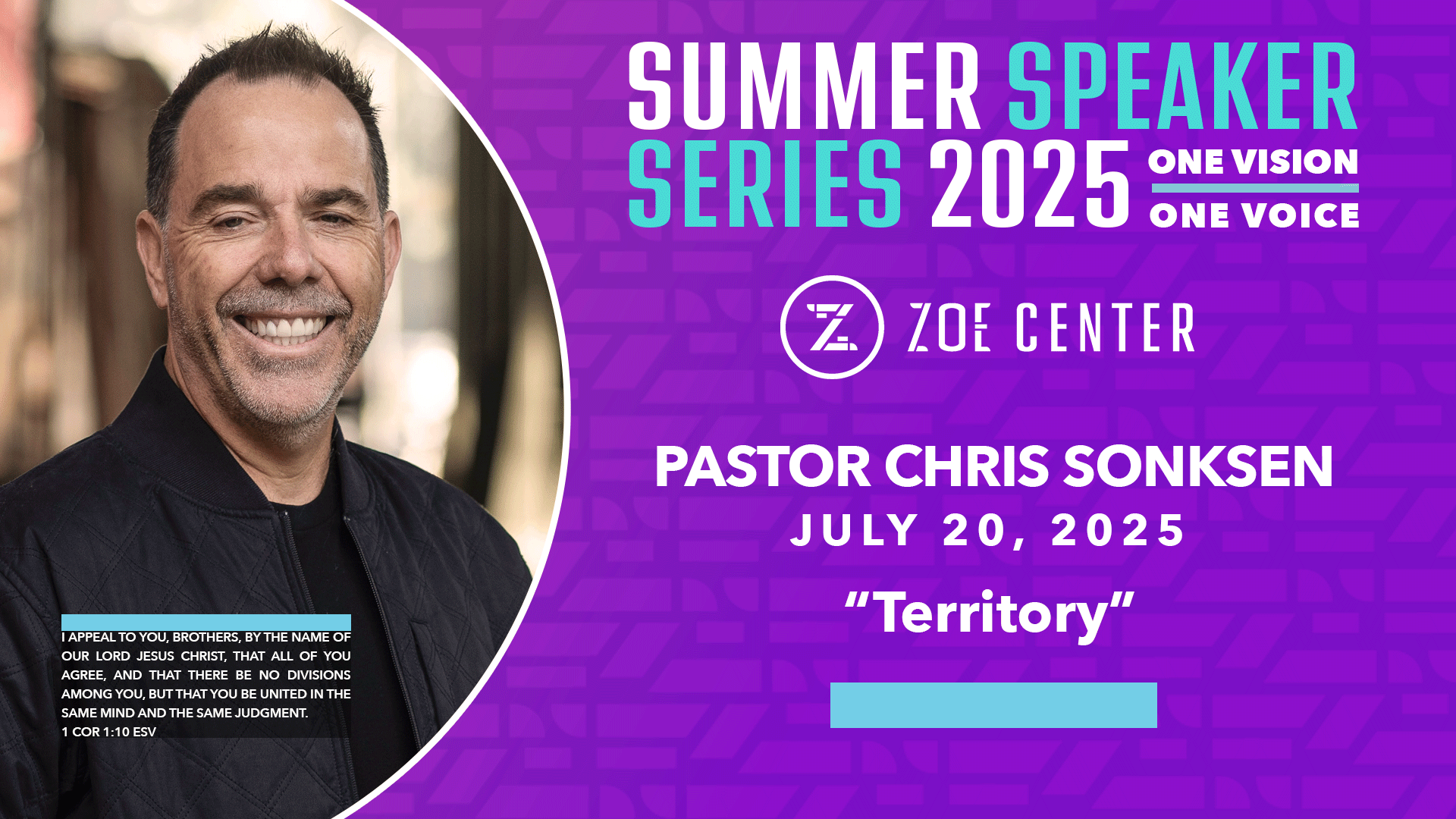
This passage from Mark 5:1–10 highlights the story of a demon-possessed man living among the tombs, uncontrollable and tormented. When Jesus arrives, the man—possessed by a legion of demons—runs to Him and pleads not to be cast out of the territory. This reveals a deeper spiritual truth: the enemy wasn’t just trying to destroy the man’s life but was fiercely guarding the region he had influence over. The real battle wasn’t only about the individual; it was about the dominion and future purpose of the land. Similarly, in our lives, the enemy doesn’t just resist us because of where we are, but because of the impact and influence we are destined to have in the places God is sending us. The struggle isn’t just personal—it’s territorial.
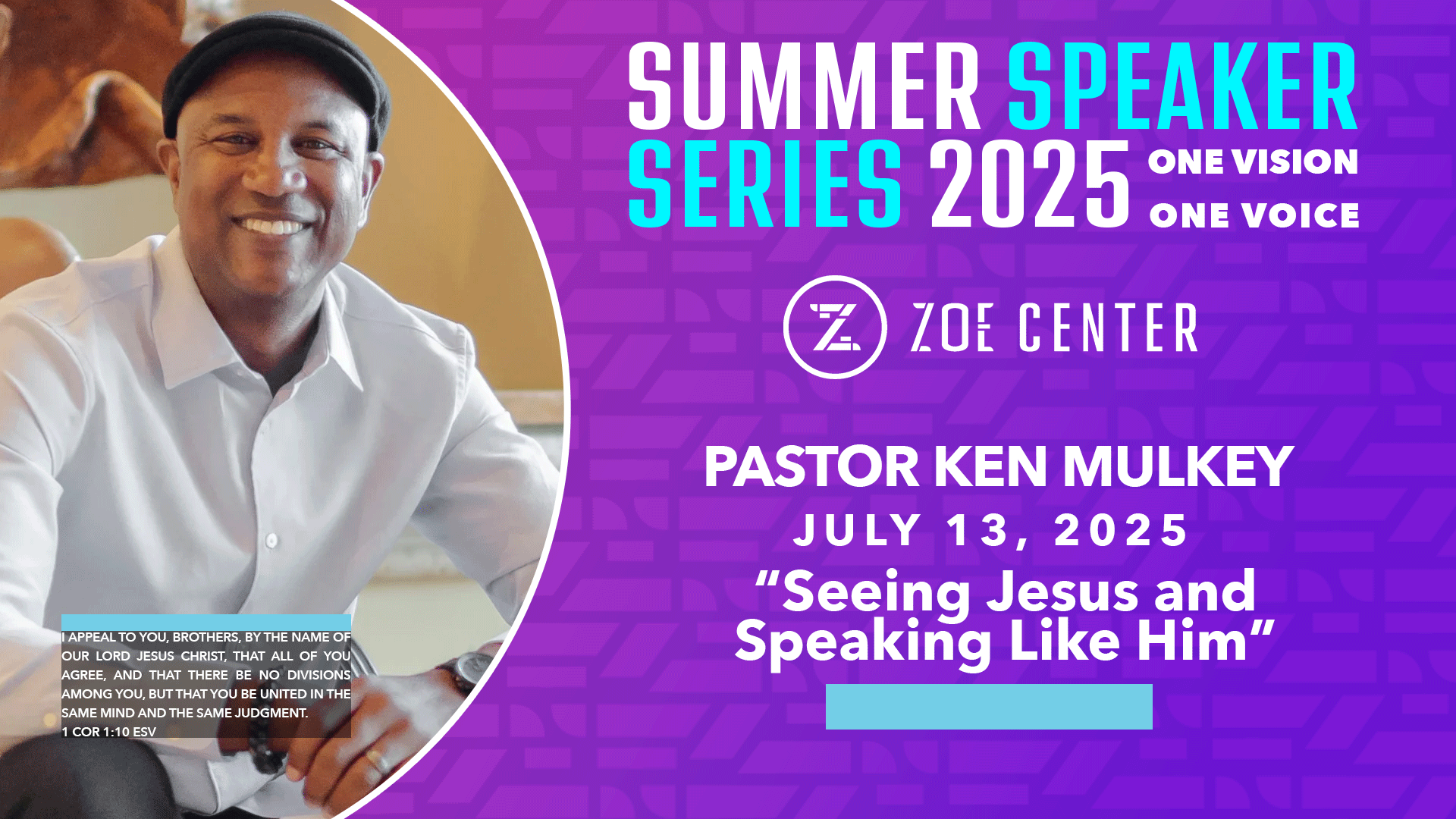
Summer Series: “Seeing Jesus and Speaking Like Him”
Date Preached: July 13, 2025
Speaker: Guest Speaker, Pastor Ken Mulkey
“Seeing Jesus and Speaking Like Him”, with Pastor Ken Mulkey, emphasizes unity in Christ, rooted in 1 Corinthians 1:10. Jesus is our one vision, as revealed in Matthew 16:13–18. To truly see Him, we must spend daily time in Scripture, pray for spiritual clarity (Ephesians 1:17–18), attend church regularly (Hebrews 10:24–25), join small groups, and serve others. Speaking like Jesus means aligning our words with sound doctrine, agreeing with Scripture (Amos 3:3; Ephesians 4:14–15), and uniting under the same vision in our local church.
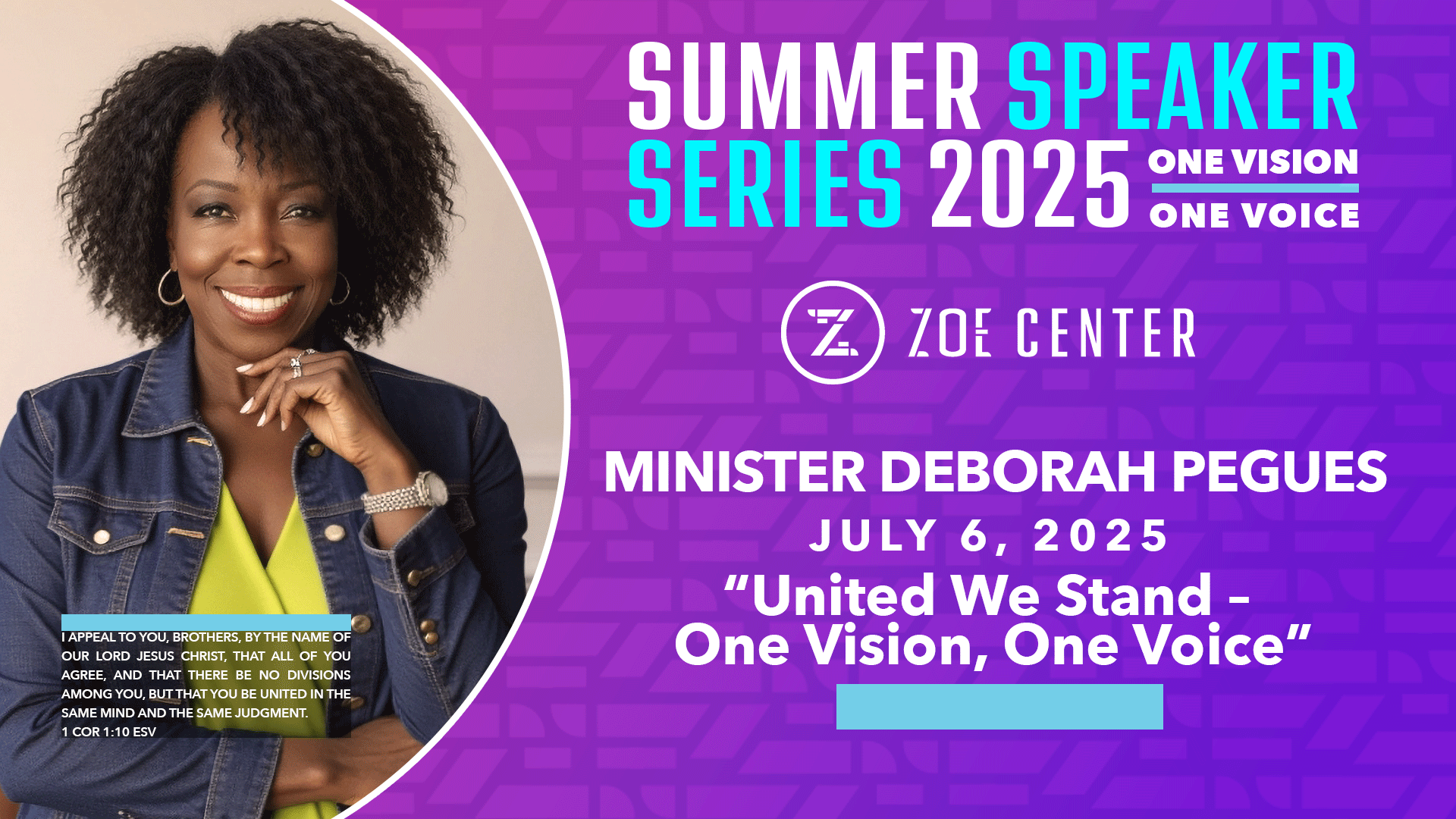
Summer Series: “United We Stand: One Vision, One Voice”
Date Preached: July 6, 2025
Speaker: Guest Speaker, Minister Deborah Pegues
The message "United We Stand: One Vision, One Voice" by Deborah Smith Pegues emphasizes that Christian unity, grounded in the Gospel, is essential for success in all group settings—whether in church, family, work, or community. While conflict is natural due to our diverse backgrounds and perspectives, believers are called to rise above division and become ambassadors of unity. True unity requires commitment, humility, effective communication, and a willingness to forgive. It is emotionally fulfilling, spiritually powerful, and attracts God’s blessings. When we walk in unity, we align with God’s purpose and unlock the potential to accomplish great things together.
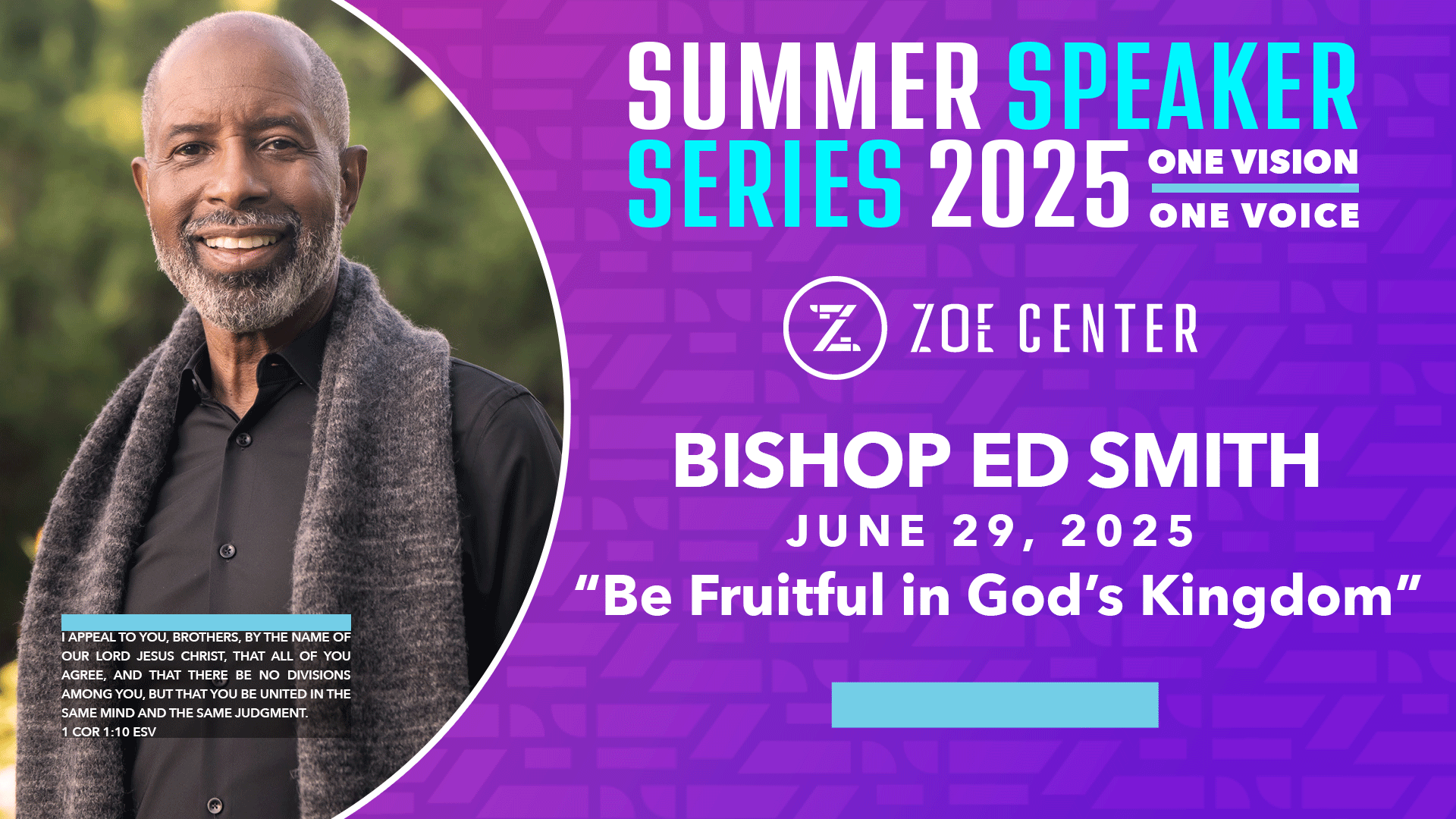
“God’s Legacy Matters” emphasizes the urgent need for believers to fulfill the Great Commission, as 8.2 billion lives are at risk of entering eternity without hope. Jesus commands us to go or send others to share the Gospel—doing nothing is not an option. Zoe Center’s value of “One Vision, One Voice” aligns with this mission, starting with reaching our families, friends, and communities. America itself is a vast mission field, and the marketplace—where people work, create, and interact—is the largest opportunity to share Christ. Bishop Ed Smith’s journey of ministry began in college through Bible studies and mentorship, shaping his boldness in faith. His life reflects the call to be fruitful and multiply God’s message wherever we are. His book, Fruitfulness: Seven Secrets to Getting More out of Life, encourages believers to embrace this calling. Being fruitful in God’s kingdom is a responsibility, not a choice.
“The Blessing and Joy of Honoring Our Fathers” Pt 1
Date Preached: June 15, 2025
Speaker: Dr. Joshua Smith
This message centers on the biblical command to “Honor your father and mother,” highlighting its foundational role in shaping how we view and relate to God. Parents, especially fathers, are our first glimpse of divine authority and provision, teaching us dependence, gratitude, and reverence. Honoring them—even when they’re flawed—is not about their perfection but about our own spiritual growth, healing, and peace. The command remains valid regardless of a parent's behavior, offering a pathway to both earthly and spiritual blessing. Fatherhood, with all its mystery and imperfection, mirrors the Kingdom of God—often unseen and gradual in its impact. For those wounded by fatherhood, the journey toward healing involves reframing their father’s story, removing bitterness, and receiving God’s fathering with openness. The charge to men is to recognize life as a journey of masculine initiation, where God continually fathers us through challenges—not to punish, but to mature, heal, and strengthen us.